 中文
 Español
 Français
 العربية
SHANDONG LONGHUI GROUP CO., LTD.Shandong Longhui Crane Machinery
xxxxxxxxx
Leave a message
gantry crane Product Introduction
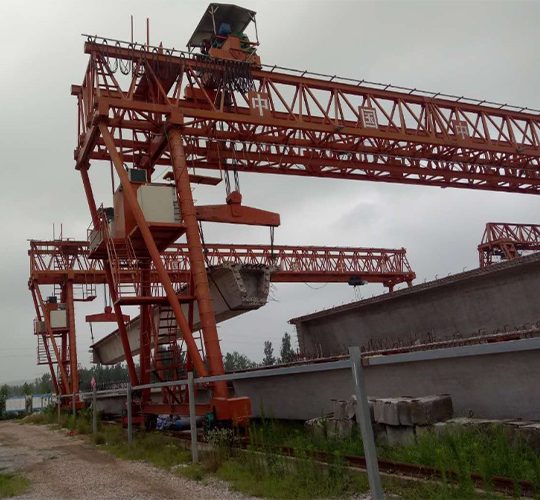
A Gantry Crane is a type of crane that consists of a bridge supported by two or more legs, which run on tracks or rails at ground level. This design allows it to move heavy loads horizontally across a large area while also lifting them vertically. Gantry cranes are commonly used in various industries, including shipping, construction, manufacturing, and material handling, due to their versatility, large load capacity, and ability to operate in both indoor and outdoor environments.
Key Features:
Freestanding Structure:
Gantry cranes do not require overhead building structures for support, unlike traditional overhead cranes. Their legs support the entire structure, which allows them to be used in large open spaces, such as construction sites, ports, and shipyards.
Large Span and Versatility:
Gantry cranes are available in a wide range of spans, from small models for warehouse use to massive cranes used in ports or shipyards. Their large span and lifting height make them ideal for applications that require the movement of heavy and oversized loads over long distances.
High Load Capacity:
Gantry cranes are designed to handle heavy loads, with capacities ranging from 1 ton to several hundred tons, making them suitable for demanding industrial applications like shipbuilding, steel production, and container handling at ports.
Mobility:
Many gantry cranes are mobile, equipped with wheels or tracks that allow them to be moved from one location to another. Mobile Gantry cranes offer flexibility, making them suitable for temporary setups or dynamic work environments. Fixed gantry cranes are also common and provide excellent stability for long-term operations.
Adjustable Height and Reach:
Gantry cranes often feature adjustable lifting heights to accommodate a variety of load sizes. The height can be customized based on the specific needs of the application, whether it's for lifting containers or heavy machinery.
Ease of Operation:
Modern gantry cranes are equipped with advanced control systems, which may include pendant controls, wireless remote controls, or automated control systems. This ensures efficient, safe, and precise handling of materials.
Applications:
Ports and Container Handling:
Container Gantry Cranes are specifically designed for unloading and loading containers onto ships, trucks, and trains at ports. They feature a large span to handle multiple containers at once and are often used in high-speed container handling operations.
Construction:
In construction, gantry cranes are used to move heavy materials such as steel beams, concrete panels, and prefabricated components across large construction sites. They are especially useful in projects where overhead space is limited.
Shipbuilding:
Gantry cranes play a crucial role in shipyards by lifting and moving large ship sections or vessels. These cranes can handle extremely heavy loads and operate over long distances to transport materials across the shipyard.
Manufacturing and Heavy Industry:
Gantry cranes are often used in factories for moving heavy machinery, large components, or raw materials during the production process. They are commonly used in the steel industry, automotive manufacturing, and assembly lines.
Warehousing and Storage:
Gantry cranes are used in warehouses and storage facilities to move large items, such as machinery, raw materials, or finished goods. Their flexibility and large lifting capacity make them ideal for handling bulk materials.
Specifications:
Load Capacity: Gantry cranes can lift a wide range of loads, from 1 ton to over 500 tons or more, depending on the application. Heavy-duty models are designed for extreme lifting capacities in shipyards or ports.
Span: The span of a gantry crane can vary significantly, from small models with spans of just a few meters to large cranes that can span several dozen meters or more to accommodate oversized loads.
Lifting Height: Gantry cranes are designed with adjustable lifting heights, ranging from a few meters to over 100 meters in some cases, depending on the required lifting range.
Movement Speed: The lifting speed and movement speed of a gantry crane are typically adjustable to ensure precise handling of materials. Speeds can range from slower movements for delicate loads to faster speeds for large-scale operations.
Power Source: Gantry cranes are powered by electric motors, diesel engines, or hybrid systems, depending on the environment and application. Electric-powered gantry cranes are commonly used in indoor environments, while diesel-powered models are used in outdoor or remote locations.
Advantages:
Flexibility:
Gantry cranes can be configured for various applications, ranging from light-duty material handling in warehouses to heavy-duty lifting in shipyards and ports. Their ability to cover large areas and handle a variety of load sizes makes them highly versatile.
Cost-Effective for Outdoor Applications:
Unlike traditional overhead cranes, gantry cranes do not require a building or an overhead structure, which can significantly reduce installation costs. This makes them an ideal solution for outdoor environments where overhead support may not be practical.
High Lifting Capacity:
Gantry cranes are designed to handle heavy loads, making them suitable for industries that require moving large or bulky materials, such as construction, shipping, and manufacturing.
Safety and Precision:
Modern gantry cranes are equipped with advanced safety systems, including overload protection, emergency stops, and anti-collision systems. Their precise control systems help operators handle materials with accuracy and minimize the risk of accidents.
Durability:
Built to handle tough industrial environments, gantry cranes are made from high-strength materials and are designed for durability. With proper maintenance, they can offer reliable performance for many years.
Maintenance and Safety Considerations:
Routine Inspections: Regular inspections are essential to identify any wear, misalignment, or damage to the crane's components, such as the rails, trolley, and hoist system.
Lubrication: Proper lubrication of moving parts, such as the wheels and hoists, is critical for reducing wear and maintaining smooth operation.
Electrical and Control System Checks: Regular checks of electrical components and control systems are necessary to ensure reliable and safe operation.
Safety Features: Gantry cranes are equipped with safety systems like overload protection, emergency stop buttons, limit switches, and anti-collision devices to protect both the crane and the operator.
Conclusion:
A Gantry Crane is a powerful and versatile lifting solution suitable for handling large, heavy loads across a wide span. With its freestanding design, high load capacity, and ability to operate in both indoor and outdoor environments, gantry cranes are ideal for a variety of industries, including construction, shipbuilding, manufacturing, and port operations. Their ability to move loads efficiently over long distances, combined with safety and flexibility, makes them an essential tool for heavy-duty material handling.
Frequently Asked Questions (FAQ) about Gantry Cranes
What is a Gantry Crane?
A Gantry Crane is a type of crane with a bridge that is supported by two or more legs running on tracks or rails at ground level. It is used for lifting and moving heavy loads horizontally across large areas while also providing vertical lift. Gantry cranes are commonly used in outdoor and indoor environments, such as ports, construction sites, and manufacturing facilities.
What are the main uses of a Gantry Crane?
Container Handling: In ports, gantry cranes are used to load and unload containers from ships to trucks or railcars.
Construction: They are used to move heavy materials such as concrete beams, steel structures, and large machinery on construction sites.
Shipbuilding: Gantry cranes are essential in shipyards for lifting and moving large ship sections or heavy equipment.
Manufacturing and Assembly: They are widely used in factories and warehouses for moving heavy or bulky products.
Warehousing: Gantry cranes help to move large goods within storage areas, optimizing space and efficiency.
What types of Gantry Cranes are available?
Single-Girder Gantry Crane: This type uses a single horizontal beam (girder) to lift loads and is suitable for lighter duties.
Double-Girder Gantry Crane: This crane has two parallel girders for greater strength, making it suitable for heavier lifting tasks.
Mobile Gantry Crane: Equipped with wheels or tracks, it can be moved across different areas, making it ideal for temporary installations or projects requiring flexibility.
Fixed Gantry Crane: Stationary, typically installed in permanent locations for consistent, heavy-duty tasks like in shipyards or large warehouses.
How much weight can a Gantry Crane lift?
Gantry cranes can lift loads ranging from 1 ton to over 500 tons, depending on the design and the specific application. The lifting capacity of the crane is determined by its structure, type, and motor power.
What are the key components of a Gantry Crane?
Bridge (Girder): The horizontal structure that spans the legs and holds the hoist system.
Legs: Support the bridge and run on tracks or rails.
Hoist: The lifting mechanism that raises and lowers the load.
Trolley: A device that moves the hoist along the bridge.
Drive System: Includes motors and controls for moving the crane along the tracks and operating the hoist.
Can Gantry Cranes be used outdoors?
Yes, gantry cranes are widely used in outdoor environments, such as construction sites, shipyards, and ports. They are designed to handle the harsh conditions of outdoor work, including wind, rain, and varying temperatures. They are often made from durable materials to withstand such conditions.
How fast can a Gantry Crane move?
Gantry crane movement speed depends on the specific model and design. The hoist speed can range from a few meters per minute for delicate tasks to several meters per minute for fast-paced operations. The trolley speed (horizontal movement) can also vary, typically ranging from 10 to 100 meters per minute, depending on the application and load size.
What is the difference between a Gantry Crane and a Overhead Crane?
A Gantry Crane runs on rails or tracks on the ground and does not require an overhead structure for support. It is ideal for outdoor use or large open spaces.
An Overhead Crane (also known as a bridge crane) is mounted on tracks on the ceiling or structure above the work area and is commonly used in indoor environments, such as warehouses or factories.
These FAQs cover common questions about gantry cranes, offering insights into their capabilities, uses, and maintenance requirements. Whether you’re considering a Gantry Crane for Construction, manufacturing, or port operations, this information will help guide your decision-making process.
Contact: Ding Jinjun
Phone: 15966038337
Email: 15966038337@163.com
Address: Yangliu Industrial Park, Xintai City, Shandong Province
Central Asia, Southeast Asia, Middle East, South America, Africa
Rated lifting capacity/rated lifting capacity:
Gn=3t, 5t, 10t, 16t, 20t
Extreme overhang/limitedspan:
0.5m<S<10m
Effective lifting height:
6m≤H<30m
You can choose European electric hoist brands:
DemagCranes,
Koni SWF, Novotranes Crane
Job level/work class: A4 level
Lifting mechanism/Lifting mechanism:
Electric hoist
Rated lifting capacity/rated lifting capacity:
Gn=5, 10t, 16t, 20t,
Limit span:
7.5m≤S<50m
Job level/work class:
JC=25%, A3 level
Lifting mechanism/lifting mechanism:
Single electric hoist, dual electric hoist
Effective lifting height:
6m≤H<30m
Rated lifting capacity/rated lifting capacity:
Gn=50t, 80t, 100t, 125t,
150t,200t
Limit span:
7.5m<S<50m
Effective lifting height:
6m≤H≤30m
Job level/work class:
A3 level
xxxxxxxxx
Leave a messageThe company was established in 2013 and is an internet software technology enterprise with multiple independent intellectual property rights.

Copyright © 2022 Suzhou Xiangyun Platform Information Technology Co., Ltd
Site mapMain business area: Beijing Suzhou
This website uses cookies to ensure you get the best experience on our website.



 Phone
Comment
(0)