 中文
中文 Español
 Français
 العربية
SHANDONG LONGHUI GROUP CO., LTD.Shandong Longhui Crane Machinery
xxxxxxxxx
Leave a message
An electric flatbed cart is a type of platform cart powered by electricity, typically composed of wheels, a chassis, a drive motor, a battery, and a control system. Compared to traditional hand-pushed flatbed carts, electric flatbed carts offer greater load-bearing capacity and higher operational efficiency, making them suitable for a variety of material handling tasks. They can transport large quantities of goods in a short period, making them especially suitable for long-term or frequent transportation tasks. As a result, electric flatbed carts are widely used in industries, logistics, warehousing, and other fields.
The basic structure of an electric flatbed cart generally includes a flat carrying platform, a drive motor, a foot control panel or wireless remote control, and a battery. Depending on the application environment, the design and functions of electric flatbed carts may vary.
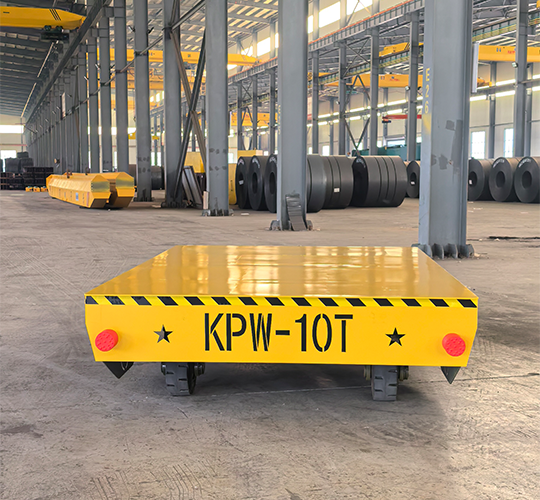
Due to their efficiency and convenience, electric flatbed carts are widely used in various fields, especially in environments that require frequent transportation of goods. The main uses include:
Electric flatbed carts are commonly used in warehouses, greatly improving the efficiency of goods handling. Traditional manual handling is time-consuming, labor-intensive, and prone to accidents. Using an electric flatbed cart can reduce labor intensity while improving transportation speed. In large warehouses, distribution centers, or industrial production lines, electric flatbed carts are often used to transport items, shelves, and bulk materials.
In production lines, electric flatbed carts can quickly and efficiently transport raw materials or finished products. Especially for heavy item handling, electric flatbed carts provide a convenient solution. They can bear large weights, preventing the safety risks that arise with manual handling.
On construction sites, transporting building materials and tools is a daily task. Electric flatbed carts can move quickly in complex construction environments, transporting bricks, cement, steel bars, and other heavy materials, thus reducing workers' physical burden.
Electric flatbed carts are also widely used in the retail industry, particularly in supermarkets and large malls, where transporting goods is an essential daily task. By using electric flatbed carts, mall staff can quickly move goods from the warehouse to the sales area.
In hospitals or medical institutions, electric flatbed carts can be used to transport medical equipment, medicines, and other supplies. Particularly in hospitals, electric flatbed carts help achieve efficient flow of goods between departments, reducing the risks associated with manual handling.
In the horticulture and farming industry, electric flatbed carts are used to transport fertilizers, seeds, agricultural equipment, and more, greatly improving work efficiency. Especially on larger farms, electric flatbed carts help reduce working hours and labor costs.
Using an electric flatbed cart is relatively simple, and typically involves the following steps:
Before using the electric flatbed cart, check the battery level to ensure there is enough power to complete the transportation task. Most electric flatbed carts are equipped with a battery indicator light that clearly shows the remaining battery power.
There are usually two ways to start the electric flatbed cart: one is to start it with a button, and the other is via a remote control. After starting, check if all functions are working normally, such as whether the wheels rotate smoothly and whether the electric system is functioning correctly.
When placing goods on the flatbed cart’s platform, ensure that the items are stable. Avoid stacking items too high or unevenly to prevent tilting or falling during transport.
Electric flatbed carts typically have both manual and remote control options. Manual control is usually done by adjusting the speed and direction with control buttons on the handle, while remote control is done via a wireless remote to adjust speed, start/stop the cart, and more.
When operating, make sure the electric flatbed cart maintains a stable speed. Avoid sudden acceleration or deceleration. Also, avoid overloading to ensure that the load does not exceed the cart’s rated capacity.
After use, park the electric flatbed cart in a dry, flat area. If not in use for an extended period, charge the cart regularly to maintain battery health.
The performance of an electric flatbed cart is primarily reflected in the following aspects:
The load capacity is one of the most critical performance indicators for electric flatbed carts. Depending on the model, their load capacity ranges from several hundred kilograms to several tons. When choosing a cart, users should select a model that matches the weight of the items to be transported.
The endurance of an electric flatbed cart is closely related to the battery capacity and the vehicle’s power. Most electric flatbed carts have an endurance time ranging from 4 to 8 hours, depending on the speed, load, and operating environment.
The speed control system of electric flatbed carts usually allows users to adjust the speed according to their needs. Some high-end models are equipped with a stepless speed control function, allowing for precise control of speed to meet different usage requirements in various environments.
Electric flatbed carts generally have a relatively simple control interface. Users can control the speed, start/stop the cart, and more via manual buttons or a remote control. Higher-end models are also equipped with intelligent systems capable of automatic positioning and path planning.
The durability of electric flatbed carts depends on the choice of materials and structural design. High-quality electric flatbed carts usually use high-strength steel or aluminum alloy, which provides excellent compression resistance and ensures the cart can withstand long-term, high-frequency use.
Safety features are crucial for electric flatbed carts. Most are equipped with anti-collision systems, overload protection systems, battery overheat protection, and multiple safety measures to ensure safe use and avoid accidents during operation.
Electric flatbed carts can be classified into several types based on different designs and uses:
DC Electric Flatbed Carts: Driven by a DC motor, offering higher efficiency and lower maintenance costs. Suitable for most working conditions.
AC Electric Flatbed Carts: Using an AC motor, offering higher power output, making them ideal for heavy-duty or long-duration operation scenarios.
Single-Side Drive Flatbed Cart: Only one side of the wheels is driven, suitable for smaller transportation tasks.
Dual-Side Drive Flatbed Cart: Both sides of the wheels are powered, making it suitable for heavier loads and more complex environments.
Light Duty Electric Flatbed Carts: Typically used for transporting smaller items, with load capacities generally under 500 kg.
Heavy Duty Electric Flatbed Carts: Have a larger load capacity, suitable for industrial and logistics applications, and can carry several tons.
Manual Control Electric Flatbed Carts: Controlled manually via buttons on the handle, suitable for small warehouses or simple tasks.
Remote Control Electric Flatbed Carts: Controlled remotely using a remote control, ideal for environments where remote operation or more complex tasks are needed.
The functions of electric flatbed carts are crucial and can be summarized as follows:
Electric flatbed carts can significantly improve the efficiency of material handling, especially in large-scale transportation tasks. Using an electric flatbed cart can reduce time and labor costs.
In traditional manual handling, workers have to exert a great deal of physical effort, while using an electric flatbed cart significantly reduces their labor intensity.
Electric flatbed carts are equipped with various safety features, such as overload protection, low battery warning, anti-slip wheels, and more, effectively reducing the risk of accidents during transportation.
In industries such as logistics and manufacturing, electric flatbed carts help improve handling efficiency and precision, thereby increasing production capacity and boosting the competitiveness of businesses.
Contact: Ding Jinjun
Phone: 15966038337
Email: 15966038337@163.com
Address: Yangliu Industrial Park, Xintai City, Shandong Province
Central Asia, Southeast Asia, Middle East, South America, Africa
Shandong Longhui Crane Machinery Co., Ltd. was founded in 1992 and is a professional manufacturer of various types of lifting equipment with a registered capital of RMB 318 million. Mainly engaged in the design, manufacturing, installation, renovation, maintenance and other businesses of general bridge cranes, gantry cranes, metallurgical cranes, explosion-proof electric hoists, wire rope electric hoists, European Style Cranes and other products. The products involve 30 series and 6000 categories.
The company covers an area of 120000 square meters and currently has more than 1200 employees, including 32 middle and senior management personnel, 18 senior engineers, 106 intermediate engineers, and 272 engineering and technical personnel. It has more than ten functional departments including design, production, quality inspection, safety, etc., including electrical automation, raw materials, riveting and welding, assembly, heat treatment, machining, electric hoist, maintenance and other workshops. The company has 328 sets of advanced production equipment, more than 300 pieces of various testing instruments and measuring instruments, with good performance and effective calibration, and is a third level qualified measurement unit. The company has sales and service agencies in various provinces, cities, and other regions across the country, radiating to major power plants/steel mills, manufacturing enterprises, industrial and mining enterprises, ports and terminals, and cargo distribution centers.
Rated lifting capacity/rated lifting capacity:
Gn=5t, 10t, 16t, 20t, 32t,
50t, 75t, 100t,
125t, 200t, 320t, 500t
Limit span:
7.5m<S<50m
Effective lifting height:
6m≤H<30m
Job level/work class:
A4 level, A5 level, A6 level
Explosion proof grade/expansion proof class:
DIIBT4,DIICT4
Rated lifting capacity/rated lifting capacity:
Gn=3t, 5t, 10t, 12.5t, 16t,20t
Limit span/limitspan:
7.5m≤s<50m
Effective lifting height:
6m≤H<30m
You can choose European electric hoist brands:
DemagCranes,
Koni SWF, Novotranes Crane
Job level/work class:
A4 level
Lifting mechanism/lifting mechanism: electric hoist
Rated lifting capacity/rated lifting capacity:
Gn=5t, 10t, 16t, 20t
Limit span:
7.5m≤S<50m
Effective lifting height:
6m≤H<30m
Job level/workclass:
JC=25%, A3 level
Lifting mechanism/Lifting mechanism:
Electric hoist
Rated lifting capacity/rated lifting capacity:
Gn=5t, 10t, 16t, 20t
Limit span:
7.5m≤S<50m
Effective lifting height:
6m≤H<30m
Job level/workclass:
JC=25%, A3 level
Lifting mechanism/Lifting mechanism:
Electric hoist
xxxxxxxxx
Leave a message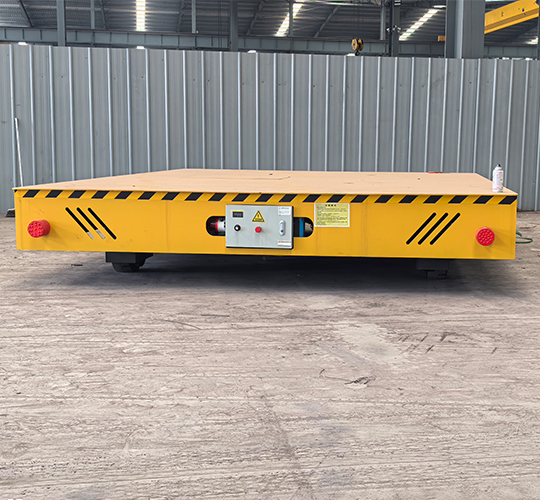 RELATED
The company was established in 2013 and is an internet software technology enterprise with multiple independent intellectual property rights.

Copyright © 2022 Suzhou Xiangyun Platform Information Technology Co., Ltd
Site mapMain business area: Beijing Suzhou
This website uses cookies to ensure you get the best experience on our website.



 Phone
Phone
Comment
(0)