 中文
中文 Español
 Français
 العربية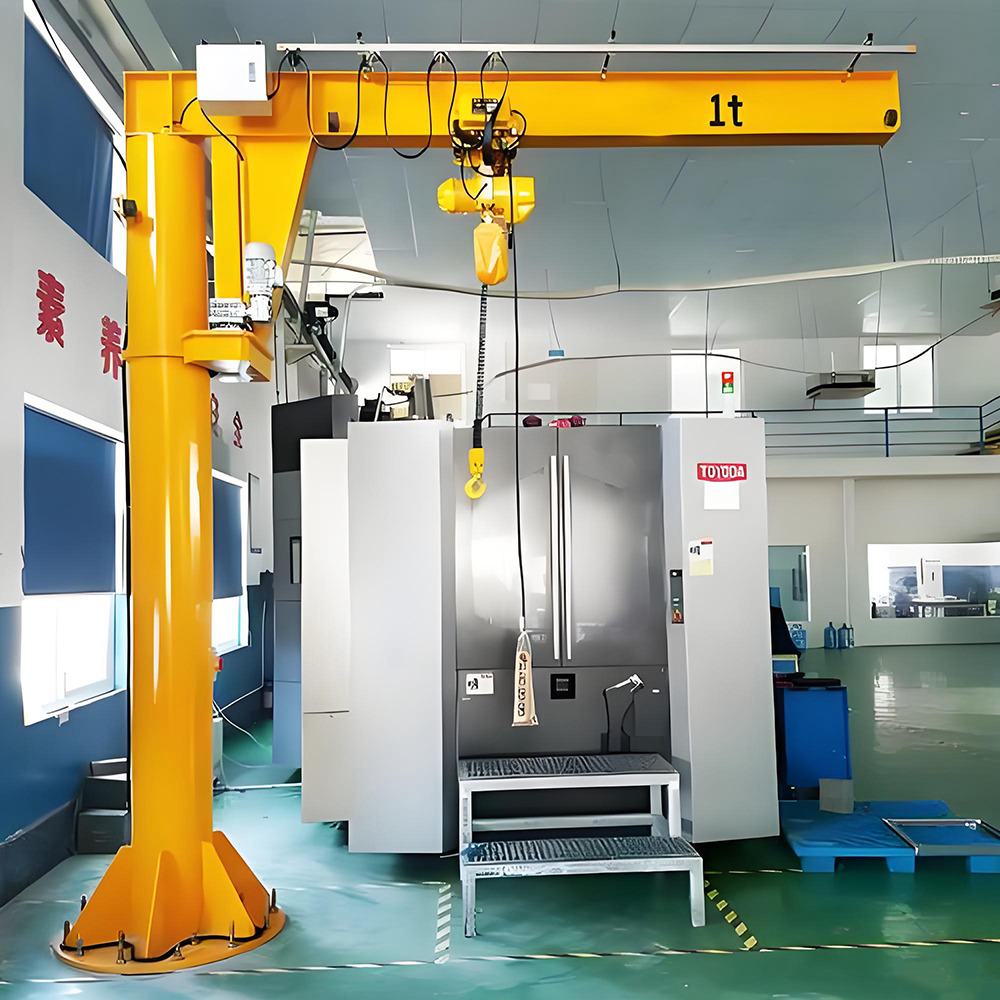
SHANDONG LONGHUI GROUP CO., LTD.Shandong Longhui Crane Machinery
xxxxxxxxx
Leave a message
Gantry Cantilever Crane Product Introduction
A Gantry Cantilever Crane is a type of overhead Crane designed to handle heavy loads with a combination of a gantry (a frame structure) and a cantilevered arm. It is typically used for material handling in environments where mobility, precise control, and efficiency are essential. The crane features a fixed or Mobile Gantry structure that supports a horizontal cantilever arm capable of rotating or moving along a fixed path.
This crane is ideal for applications in warehouses, construction sites, manufacturing plants, shipyards, and ports, where large or bulky materials need to be moved over a defined area or across a fixed space.
Key Features:
Gantry Structure:
The crane's Gantry Frame typically consists of two vertical supports (legs) that sit on rails or a foundation, providing stable and reliable movement.
It can be fixed in place or designed to travel along tracks depending on the design.
Cantilever Arm:
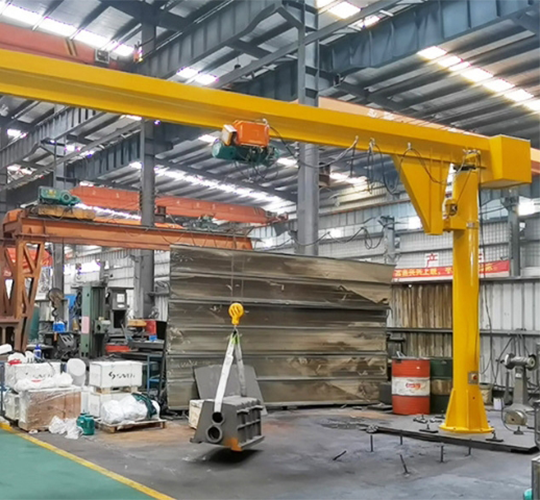
The horizontal arm extends from the gantry structure, and in some models, it may have a rotating feature, allowing the crane to access different areas or positions within its range.
The cantilever arm provides a unique advantage by enabling lifting over obstacles or around confined spaces.
Lifting Mechanism:
The crane is equipped with a hoist or winch system (electric or manual), which is used to lift and lower heavy loads with precision.
The hoist may be mounted on the cantilever arm or the gantry frame.
Movement Options:
Fixed Gantry: A stationary crane designed for a specific work area, often used in environments where the crane's positioning is predetermined.
Mobile Gantry: A mobile crane, often mounted on wheels or tracks, which can be moved across the work area or between different locations.
Rotating Cantilever: Some models offer rotation of the cantilever arm, providing additional flexibility in material handling.
Load Capacity:
Gantry Cantilever Cranes are typically designed to handle a range of capacities, from small to very heavy loads, depending on the specific needs of the application. Load capacities can range from a few tons up to hundreds of tons.
Durability:
Built with robust materials, these cranes are designed to withstand harsh working conditions and heavy-duty lifting requirements. Common materials include high-strength steel and corrosion-resistant coatings for outdoor use.
Safety Features:
Limit switches: To prevent over-travel and limit the range of the crane arm.
Overload protection: To prevent lifting beyond the crane’s rated capacity.
Emergency stop: Quick-stop functionality for safety in case of a malfunction.
Anti-collision systems: In some advanced models, sensors or alarms prevent the crane from colliding with obstacles.
Applications:
Manufacturing and Assembly: Used in factories and plants to move heavy materials, parts, or equipment along assembly lines or to position components during manufacturing.
Construction Sites: For lifting construction materials such as steel beams, concrete blocks, or prefabricated components.
Shipyards: Ideal for lifting and transporting large items, such as ship parts or containers, across the yard.
Port Terminals: Used to load and unload containers from ships or transport cargo across dockside areas.
Warehouses: Moving bulk materials or heavy items over defined tracks or spaces.
Advantages:
Space Efficiency: The gantry frame provides excellent stability while taking up minimal ground space. This is ideal for work environments with limited floor space.
Increased Load Capacity: Designed for lifting heavy or oversized loads, making it perfect for heavy-duty industrial applications.
Flexibility: The cantilever arm, sometimes rotatable, offers enhanced maneuverability, allowing the crane to work in confined spaces or lift over obstacles.
Cost-Effective: The gantry frame structure can be less expensive compared to other types of overhead cranes, especially for custom applications.
Customizable: Can be tailored to different load capacities, arm lengths, and travel distances, ensuring the crane fits specific operational needs.
Disadvantages:
Limited Vertical Reach: While it is excellent for horizontal movement and access, the crane’s vertical reach may be limited compared to traditional overhead cranes.
Maintenance Requirements: The gantry structure and cantilever arm require regular inspection and maintenance to ensure the safe and efficient operation of the crane.
Space for Movement: If mobile, the crane may require tracks or rails for movement, which could limit flexibility in non-industrial settings.
Conclusion:
The Gantry Cantilever Crane is a versatile and robust solution for heavy lifting in various industrial applications. With its gantry frame structure and cantilever arm, it provides excellent stability, maneuverability, and load capacity, making it ideal for material handling tasks that require precision and efficiency. Whether used in manufacturing, construction, or logistics, it is an indispensable tool for lifting and transporting large loads in confined spaces or across defined areas.
Common Questions about Gantry Cantilever Cranes
Here are some frequently asked questions (FAQs) about Gantry Cantilever Cranes, covering their design, operation, and maintenance.
1. What is a Gantry Cantilever Crane?
A Gantry Cantilever Crane is a type of crane that combines a gantry (frame structure with vertical legs) and a cantilever arm, used for lifting and moving heavy loads. The gantry structure allows the crane to operate in a stationary or mobile manner, and the cantilever arm extends horizontally, often with the ability to rotate or reach over obstacles.
2. What are the key features of a Gantry Cantilever Crane?
Gantry Frame: Comprising two vertical supports or legs and a horizontal beam that supports the cantilever arm.
Cantilever Arm: A horizontal arm extending from the gantry frame, which can move or rotate to facilitate material handling in restricted spaces.
Load Capacity: Gantry Cantilever Cranes are designed to lift various loads, from smaller parts to large, heavy materials, depending on the model.
Mobility Options: The crane can be stationary or mounted on wheels/tracks to move across a work area.
Safety Features: Include overload protection, limit switches, emergency stops, and anti-collision sensors for safe operation.
3. What are the advantages of a Gantry Cantilever Crane?
Space Efficiency: The gantry frame structure allows for efficient use of vertical and horizontal space, ideal for confined work environments.
Heavy Load Capacity: Designed to handle substantial loads, ideal for industries like construction, manufacturing, and shipyards.
Flexibility: The cantilever arm, sometimes rotatable, provides the ability to lift over obstacles or reach specific locations without needing to move the entire crane.
Cost-Effective: Typically less expensive than other crane types, especially for custom industrial applications.
4. What are the typical applications of a Gantry Cantilever Crane?
Manufacturing and Assembly: Lifting parts or heavy equipment across assembly lines.
Construction: Moving building materials such as steel beams, concrete, or prefabricated parts.
Shipyards: Handling large ship components and containers.
Ports: Loading and unloading shipping containers.
Warehouses: For moving large or heavy inventory in a fixed area.
5. What is the difference between a fixed and mobile Gantry Cantilever Crane?
Fixed gantry crane: The crane's gantry frame is stationary, positioned in a specific area for lifting and moving materials within that space.
Mobile Gantry Crane: The crane's gantry frame is mounted on wheels or rails, allowing it to move along a predefined path, covering a larger area.
6. How is a Gantry Cantilever Crane maintained?
Regular Inspections: Check for signs of wear, corrosion, or damage on the gantry frame, cantilever arm, hoisting mechanisms, and electrical components.
Lubrication: Moving parts such as the hoist, winches, and rotating joints should be lubricated to minimize friction and wear.
Safety Systems: Ensure all safety features such as limit switches, overload protection, and emergency stop buttons are functioning properly.
Structural Integrity: Regularly inspect the frame, joints, and connections for stability, particularly for cranes that handle heavy loads.
7. How do you determine the load capacity of a Gantry Cantilever Crane?
The load capacity of a Gantry Cantilever Crane depends on several factors:
Design specifications: Each crane model has a maximum rated load capacity defined by the manufacturer.
Material Strength: The type of material used in the gantry frame and cantilever arm affects the crane’s load-bearing capacity.
Safety Margin: Cranes are typically rated with a safety margin to prevent overloading and ensure safe operation.
8. Can a Gantry Cantilever Crane be used outdoors?
Yes, Gantry Cantilever Cranes can be used outdoors, especially if they are built to handle harsh environmental conditions. Outdoor models typically include corrosion-resistant coatings and weatherproof electrical systems to protect against rain, snow, and extreme temperatures. However, proper maintenance is essential to ensure the crane's longevity in outdoor conditions.
9. What are the common issues with Gantry Cantilever Cranes?
Overloading: Exceeding the crane’s rated load capacity can lead to damage to the structure and hoisting mechanisms.
Mechanical Wear: Frequent operation can lead to wear in moving parts like hoists, chains, or cables.
Electrical Failures: Issues with the electrical system (e.g., controls, wiring) can interrupt operation.
Corrosion: In outdoor or marine environments, exposure to the elements can lead to corrosion of the gantry frame or hoisting equipment.
10. How is the Gantry Cantilever Crane installed?
Foundation Setup: The base or legs of the gantry frame need to be securely anchored to a stable foundation or tracks for mobile models.
Assembly: The gantry frame and cantilever arm are assembled on-site, with hoisting mechanisms, motors, and electrical systems installed.
Electrical and Safety Checks: Once installed, the crane is tested for proper electrical connections, safety features, and functionality before use.
11. What safety features are included in Gantry Cantilever Cranes?
Overload Protection: Prevents the crane from lifting loads that exceed its rated capacity.
Limit Switches: Automatically stop crane movement at the end of the rail or arm to prevent damage.
Emergency Stop: A button or mechanism that stops the crane immediately in case of an emergency.
Anti-Collision Sensors: In advanced models, sensors or alarms prevent the crane from colliding with objects or other cranes in the work area.
Anti-Sway Devices: Helps reduce load sway during lifting, improving precision.
12. What is the lifespan of a Gantry Cantilever Crane?
The lifespan of a Gantry Cantilever Crane can vary based on usage, maintenance, and environmental conditions. With proper care, these cranes typically last between 15 to 30 years. Regular maintenance and inspections can extend their operational life and prevent unexpected breakdowns.
13. Can the cantilever arm rotate?
In some Gantry Cantilever Crane models, the cantilever arm can rotate or pivot, providing additional flexibility for material handling. This is especially useful for lifting over obstacles or reaching materials from different angles without moving the entire crane.
14. How is a Gantry Cantilever Crane different from a regular overhead crane?
Gantry Cranes: Mounted on a frame with vertical legs and can either be fixed or move along rails. The arm is cantilevered, often offering more flexibility in maneuvering over obstacles.
Overhead Cranes: Typically suspended from a fixed beam and operate along a track system. They often have more vertical reach and may be used for different lifting tasks.
By addressing these frequently asked questions, you can make informed decisions about selecting, operating, and maintaining a Gantry Cantilever Crane for your specific industrial applications, ensuring both efficiency and safety in material handling.
Contact: Ding Jinjun
Phone: 15966038337
Email: 15966038337@163.com
Address: Yangliu Industrial Park, Xintai City, Shandong Province
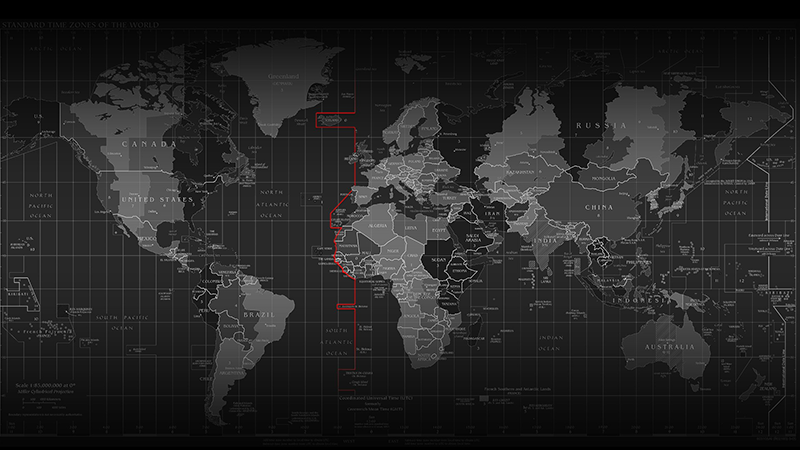
Central Asia, Southeast Asia, Middle East, South America, Africa
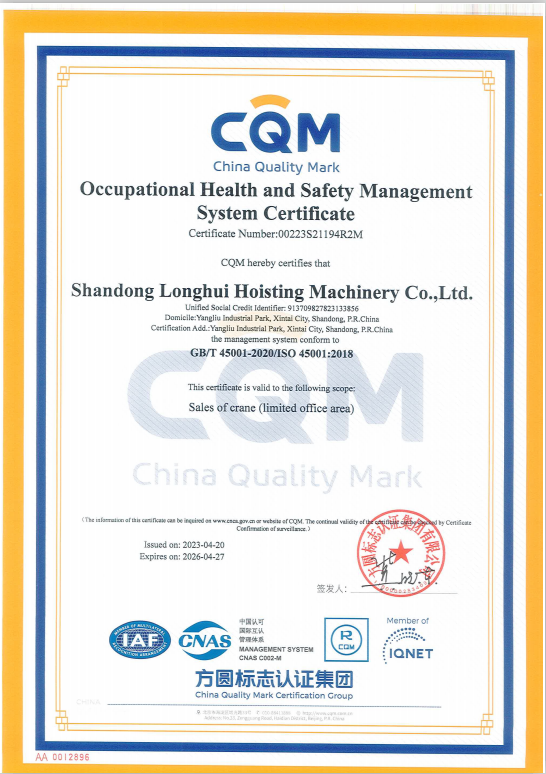
Shandong Longhui Crane Machinery Co., Ltd. was founded in 1992 and is a professional manufacturer of various types of lifting equipment with a registered capital of RMB 318 million. Mainly engaged in the design, manufacturing, installation, renovation, maintenance and other businesses of general bridge cranes, gantry cranes, metallurgical cranes, explosion-proof electric hoists, wire rope electric hoists, European Style Cranes and other products. The products involve 30 series and 6000 categories.
The company covers an area of 120000 square meters and currently has more than 1200 employees, including 32 middle and senior management personnel, 18 senior engineers, 106 intermediate engineers, and 272 engineering and technical personnel. It has more than ten functional departments including design, production, quality inspection, safety, etc., including electrical automation, raw materials, riveting and welding, assembly, heat treatment, machining, electric hoist, maintenance and other workshops. The company has 328 sets of advanced production equipment, more than 300 pieces of various testing instruments and measuring instruments, with good performance and effective calibration, and is a third level qualified measurement unit. The company has sales and service agencies in various provinces, cities, and other regions across the country, radiating to major power plants/steel mills, manufacturing enterprises, industrial and mining enterprises, ports and terminals, and cargo distribution centers.
xxxxxxxxx
Leave a message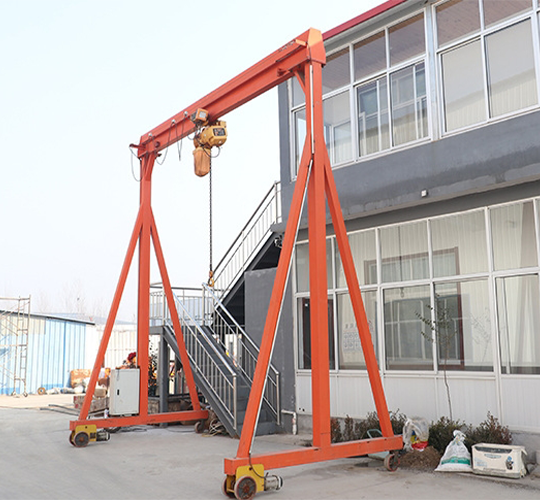 RELATED
The company was established in 2013 and is an internet software technology enterprise with multiple independent intellectual property rights.

Copyright © 2022 Suzhou Xiangyun Platform Information Technology Co., Ltd
Site mapMain business area: Beijing Suzhou
This website uses cookies to ensure you get the best experience on our website.



 Phone
Phone
Comment
(0)